Rupee Falls 2026: Inflation Risk & Economic Impact
Overview
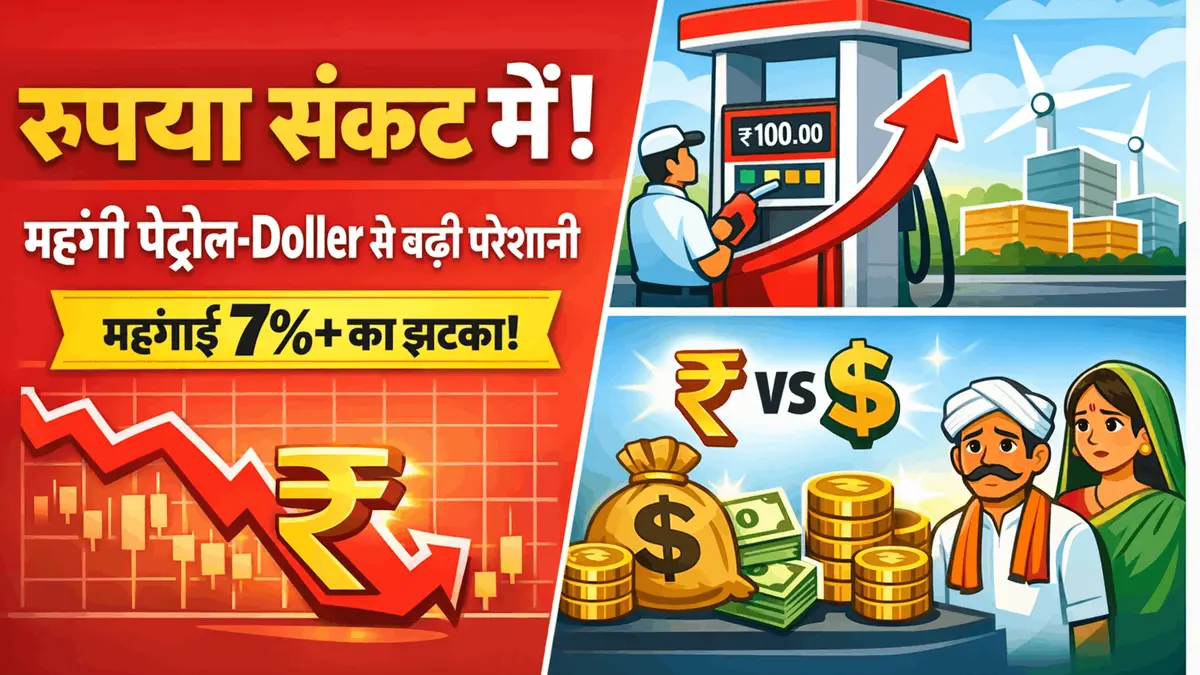
Rupee fall 2026 hits ₹93.9/$ mark. Rising oil prices and Iran conflict may increase inflation in India. Know full economic impact.

Introduction
The rupee fall 2026 has become one of the most discussed economic concerns in India. The Indian rupee has weakened to nearly ₹93.9 per dollar, close to its record low. This sharp decline is driven by rising oil prices, global tensions such as the Iran conflict, and heavy foreign investor outflows.
This situation is not just about currency value—it directly impacts inflation, daily expenses, and overall economic stability.
Why Is the Rupee Falling in 2026?
1. Rising Global Tensions
The ongoing Iran conflict has created uncertainty in global markets:
- Investors are shifting to safe assets like USD
- Emerging market currencies like INR are weakening
2. Surge in Oil Prices
Oil prices crossing $100 per barrel is a major factor:
- India imports over 80% of its oil
- Higher oil prices increase dollar demand
- Rupee weakens further
3. Foreign Investment Outflow
Foreign investors are pulling money out of India:
- Around ₹12 billion outflow reported
- Less dollar inflow weakens INR
4. Strong US Dollar
The US dollar is gaining strength globally due to:
- High interest rates
- Strong economic growth
5. Liquidity Pressure in Banking System
Recent liquidity issues in the banking sector have:
- Reduced market confidence
- Increased volatility
Save your money with SIP
Impact on Indian Economy
1. Inflation May Rise
A weak rupee leads to:
- Higher import costs
- Increased fuel prices
- Rising cost of living
2. Expensive Fuel and Transport
- Petrol and diesel prices may rise
- Transportation costs increase
- Goods become expensive
premium petrol price increasing with 2.35/liter👇👇👇👇
Premium Petrol Price Hike ₹2.35/Litre – Latest India Update
3. Impact on Common People
Daily life becomes costlier:
- Grocery prices increase
- Utility bills rise
- Travel becomes expensive
4. Pressure on Government
The government may face:
- Fiscal deficit challenges
- Increased subsidy burden
5. Impact on Businesses
- Raw material costs rise
- Profit margins shrink
- Small businesses suffer more
Who Benefits from Weak Rupee?
Not all effects are negative:
Exporters Gain
- IT companies
- Pharma exporters
- Textile industry
They earn more in rupees when dollar value rises.
Step-by-Step: Chain Reaction of Rupee Fall
Global crisis (Iran conflict)
Oil prices rise
Dollar demand increases
Foreign investors withdraw money
Rupee weakens
Inflation increases
What RBI and Government Can Do
Possible Measures
- RBI may intervene using forex reserves
- Control inflation via policy changes
- Reduce import dependency
Future Outlook
Experts predict continued volatility:
- Oil prices remain uncertain
- Global tensions persist
- Dollar strength continues
However, India’s strong economic base can prevent extreme collapse.
Rupee Fall Impact Analysis 2026
| Factor | Impact |
|---|---|
| Oil Prices Above $100 | Negative |
| Iran Conflict | Negative |
| Foreign Investment Outflow | Negative |
| Strong Dollar | Negative |
| Export Growth | Positive |
conclusion
The rupee fall in 2026 is mainly due to rising oil prices, global tensions like the Iran conflict, and foreign investment outflows. The rupee has dropped to around ₹93.9 per dollar, increasing inflation risk, fuel prices, and overall cost of living in India.
Disclaimer: The information provided on Labhgrow.in is for educational purposes only. We are not affiliated with the Income Tax Department, NSDL (Protean), or UTIITSL. Delivery times and tracking processes are subject to government portal functionality. Please never share your PAN details or OTPs with unauthorized third-party websites.

Head of Content & Lead Writer
Senior financial & news writer specializing in Indian government schemes, market rates, and banking policies.
lakshyabhardwaj.hoc@labhgrow.in
Senior Research Analyst (Fact-Checker)
Dedicated researcher and data verifier ensuring 100% authenticity and fact-checking from primary government and financial feeds.
harshitsharma.sra@labhgrow.in