PM-VBRY: Big Employment Push! Who Will Get Jobs Under This New Viksit Bharat Scheme?
Overview
PM-VBRY scheme could bring fresh job opportunities in India. Check eligibility, benefits, and how this new employment push may impact youth and businesses.
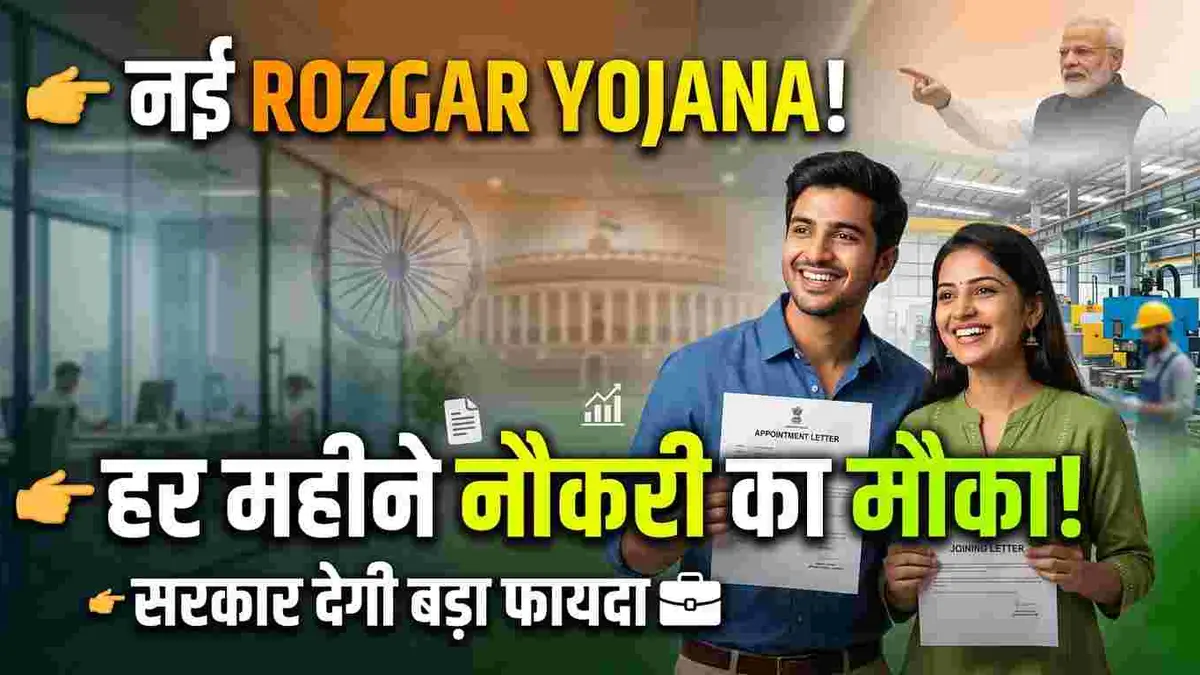

There’s something interesting happening quietly in the background — and it could matter a lot if you're a job seeker, fresher, or even a small business owner. Over the past few months, conversations around employment have picked up again. From WhatsApp groups to chai tapri discussions, one question keeps coming up: “Government koi nayi job scheme la rahi hai kya?”
That’s where PM-VBRY — Pradhan Mantri Viksit Bharat Rozgar Yojana starts getting attention. While not everyone is fully clear about the details yet, the buzz is strong. The idea sounds simple: boost jobs, support employers, and give young Indians a push toward stable employment.
But what does it actually mean in real life? Let’s break it down in a way that actually makes sense.
Why This Scheme Suddenly Matters
Think about a typical scenario. A BSc graduate — maybe like someone from a small town — finishes college, sends resumes, attends a few interviews, but offers are limited. On the other side, small companies hesitate to hire because salary + PF + compliance cost becomes heavy.
This gap is exactly where schemes like PM-VBRY try to step in.
The basic thought is straightforward:
If hiring becomes cheaper for employers, they may hire more people. And if more people get jobs, the overall economy moves forward. Sounds logical, right?
India has a massive young population entering the workforce every year. But job creation often struggles to keep pace. So the government’s focus is slowly shifting from just “skill development” to actual “employment generation”.
That’s why PM-VBRY is being discussed as a potential bridge.
What PM-VBRY Is Trying to Do
Instead of directly giving cash to individuals, the scheme is expected to encourage companies to hire more employees. In many such programs, the government may share part of employee-related costs — for example, EPF contribution support or incentives for new hires.
Imagine a small manufacturing unit in Kanpur or Surat. Hiring 5 new workers increases monthly expenses significantly. But if the government covers a portion of that cost for a limited period, the employer might say, “Chalo risk le lete hain.”
That small decision could create thousands of jobs when applied nationwide.
This is why employment-linked incentive schemes are becoming popular globally. They don’t just distribute money — they create ongoing income opportunities.
Who Could Benefit the Most?
The biggest beneficiaries are likely to be:
- Fresh graduates looking for their first job
- Small and medium businesses planning expansion
- Semi-skilled workers in manufacturing or services
- Tier-2 and Tier-3 city job seekers
For example, consider Rohan from Lucknow. He completed a computer science degree but couldn’t find stable work. If a startup decides to hire more developers under this scheme, Rohan suddenly gets an opportunity he might not have had otherwise.
Similarly, a textile unit in Tiruppur may expand hiring if incentives reduce the cost burden.
It’s not just about big corporate jobs. In fact, the real impact often comes from small businesses — because they collectively employ a huge portion of India’s workforce.
How It May Impact Salaries and Hiring Trends
Here’s an interesting angle most people don’t talk about.
When hiring increases, competition for jobs reduces slightly. That can sometimes stabilize salaries instead of pushing them downward. Also, companies may become more willing to train freshers instead of only hiring experienced candidates.
In practical terms, this means:
- More entry-level openings
- Slightly faster hiring cycles
- Better chances for non-metro candidates
- Increased internship-to-job conversions
You might not see overnight changes, but gradually hiring sentiment improves. Even LinkedIn posts and job portals start showing more openings.
Real-Life Example: How Such Schemes Work
Let’s say a company hires 20 new employees. Normally, the employer contributes toward provident fund, compliance, and onboarding cost.
If the scheme covers part of this for the first 2–3 years, the employer’s financial risk decreases. They can invest that saved amount into:
- expanding operations
- increasing productivity
- hiring additional staff
It creates a multiplier effect.
This is why economists often prefer employment incentives instead of direct cash benefits.
What Makes PM-VBRY Different
Unlike some previous schemes focused only on manufacturing, this initiative is expected to have broader sector coverage. That means services, startups, logistics, and even digital companies may benefit.
This is important because today’s jobs are not just in factories. Many young Indians work in:
- IT support
- digital marketing
- customer service
- e-commerce operations
- logistics and delivery management
If the scheme includes these sectors, the reach becomes much larger.
Will It Help Freshers Without Experience?
Probably yes — and that’s the exciting part.
Companies often avoid hiring freshers because training costs money. But if incentives are linked to new hires, employers may be more open to onboarding inexperienced candidates.
For example, a fintech startup in Bangalore might hire 10 fresh graduates instead of 3 experienced ones if cost support is available.
That means more chances for young job seekers.
Possible Eligibility Conditions
While exact rules may vary, such schemes usually consider:
- New employee registration
- Formal employment (with EPF/ESIC)
- Minimum salary limits
- Job retention period
The focus is usually on creating genuine long-term jobs, not temporary contracts.
Why Small Businesses Are Watching Closely
Large companies hire anyway. But small businesses operate on tight budgets. For them, even one additional employee is a big decision.
If PM-VBRY reduces that hesitation, job creation could spread across:
- retail shops
- small manufacturing units
- local service providers
- startups
This decentralized job growth is actually healthier for the economy.
How It Connects With “Viksit Bharat” Vision
The name itself gives a hint. “Viksit Bharat” isn’t just about infrastructure — it’s about income growth, employment, and productivity.
More jobs mean:
- more spending
- higher savings
- increased tax revenue
- stronger local economies
It’s a chain reaction.
When a young person gets a job, they might:
- start SIP investment
- buy a bike
- support family
- open bank accounts
This increases overall financial activity.
What Should Job Seekers Do Now?
Even before full rollout, it’s smart to prepare:
- Update resume
- Learn basic skills (Excel, communication, digital tools)
- Register on job portals
- Look for MSME hiring opportunities
When hiring waves begin, prepared candidates benefit first.
| Aspect | Possible Impact |
|---|---|
| Job Creation | Increased hiring across sectors |
| Employers | Reduced cost of hiring |
| Freshers | More entry-level opportunities |
| MSMEs | Encouragement to expand workforce |
| Economy | Higher income and spending |
PM-VBRY is a proposed employment-focused initiative aimed at encouraging companies to hire more workers by offering incentives. The scheme may reduce hiring costs for employers, creating more job opportunities for fresh graduates, small-town candidates, and MSME employees while supporting India’s broader “Viksit Bharat” economic growth vision.
You can also read this -
Disclaimer: The information provided on Labhgrow.in is for educational purposes only. We are not affiliated with the Income Tax Department, NSDL (Protean), or UTIITSL. Delivery times and tracking processes are subject to government portal functionality. Please never share your PAN details or OTPs with unauthorized third-party websites.

Head of Content & Lead Writer
Senior financial & news writer specializing in Indian government schemes, market rates, and banking policies.
lakshyabhardwaj.hoc@labhgrow.in
Senior Research Analyst (Fact-Checker)
Dedicated researcher and data verifier ensuring 100% authenticity and fact-checking from primary government and financial feeds.
harshitsharma.sra@labhgrow.in