Why India Is Borrowing ₹8.2 Trillion & Its Impact on You
Overview
Why India is borrowing ₹8.2 trillion? Learn its impact on inflation, interest rates, loans, FD returns and your money. Simple guide for Indian investors.

Introduction
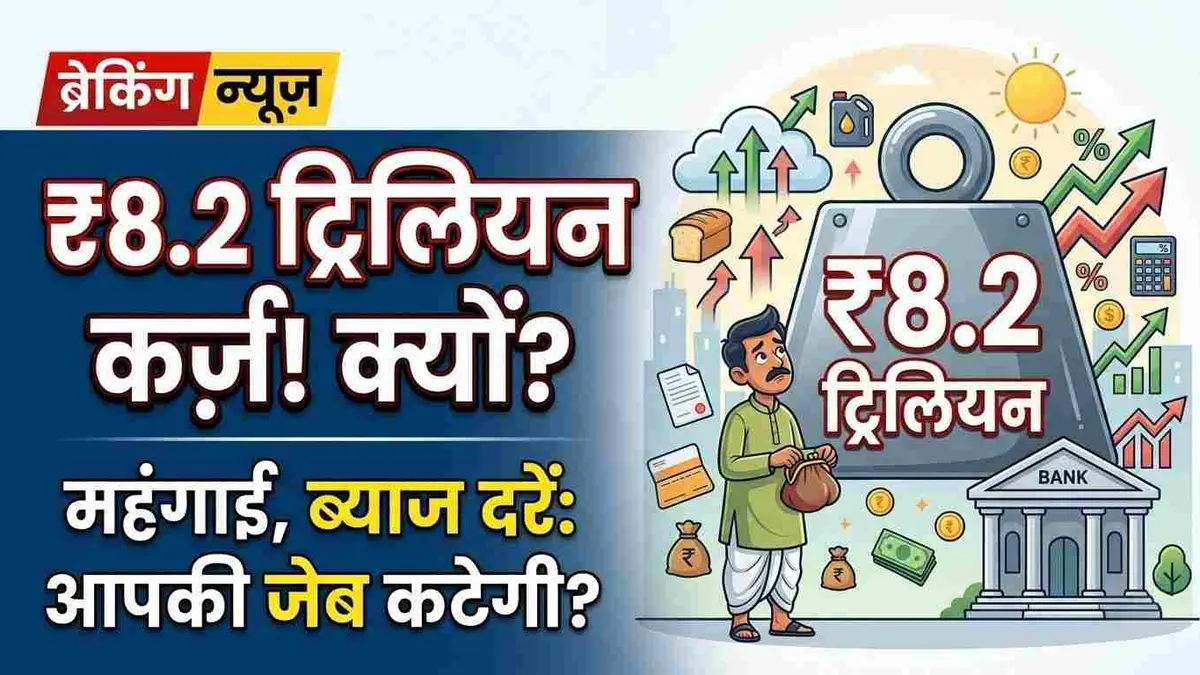
India Borrowing ₹8.2 Trillion has become one of the biggest financial headlines, raising questions among investors, salaried individuals, and general citizens. When the government borrows such a massive amount, it directly impacts inflation, bank interest rates, loans, fixed deposits, and even gold prices. Understanding why the government is borrowing and how it affects your money is essential for making smarter financial decisions.
This article explains everything in simple terms — why India is borrowing ₹8.2 trillion, what it means for inflation, interest rates, investments, and your personal finances.
Why India Is Borrowing ₹8.2 Trillion
The government borrows money mainly to fund its expenses when revenue from taxes and other sources is not enough.
Main Reasons for Borrowing
Infrastructure development (roads, railways, ports)
Welfare schemes (subsidies, rural development)
Defence spending
Interest payments on existing debt
Fiscal deficit management
When spending exceeds income, the government fills the gap by borrowing from the market through bonds and treasury bills.
What Is Government Borrowing?
Government borrowing means issuing bonds to investors like:
- Banks
- Insurance companies
- Mutual funds
- Foreign investors
- RBI (indirectly)
These investors lend money to the government in exchange for fixed interest payments.
How ₹8.2 Trillion Borrowing Affects Inflation
Large borrowing can increase inflation depending on liquidity and demand conditions.
Mechanism Explained
Government borrows heavily
Banks buy government bonds
Less money available for lending to businesses
Supply constraints increase prices
Inflation rises
However, if borrowing funds infrastructure, it may reduce inflation long-term by improving supply chains.
Impact on Interest Rates
Government borrowing usually pushes interest rates upward.
Why Interest Rates Rise
- Government competes with private sector for funds
- Demand for money increases
- Bond yields rise
- Banks increase lending rates
This affects:
- Home loans
- Car loans
- Personal loans
- Business loans
Impact on Fixed Deposits and Savings
Higher borrowing often leads to higher interest rates, which benefits savers.
Good News for Investors
You may see:
- Higher FD interest rates
- Better bond yields
- Increased returns on debt funds
- Improved savings account rates
Impact on Loans
Borrowing may increase loan EMIs.
Loans Likely to Become Costlier
- Home loans
- Education loans
- Personal loans
- MSME loans
If repo rate increases, banks pass the cost to borrowers.
Impact on Stock Market
Government borrowing affects equity markets differently.
Possible Outcomes
Positive Impact:
- Infrastructure companies benefit
- Capital goods sector grows
- PSU banks gain
Negative Impact:
- High interest rates reduce corporate profits
- IT and growth stocks may fall
Impact on Gold and Silver
When inflation expectations rise, gold often increases.
Reasons:
- Investors seek safe haven
- Currency weakens
- Inflation hedge demand increases
What It Means for Your Money
Here’s how ₹8.2 trillion borrowing affects you:
If You Are a Salaried Person
- EMIs may rise
- FD returns may improve
- Inflation may affect expenses
If You Are an Investor
- Bond yields increase
- Debt funds become attractive
- Stock selection becomes important
If You Are Planning a Loan
- Lock fixed rate early
- Avoid floating rate loans
- Compare bank offers
Step-by-Step: How Government Borrowing Impacts Economy
Government announces borrowing plan
Bonds issued in market
Banks buy bonds
Liquidity reduces
Interest rates rise
Loan rates increase
Inflation may rise
Investment patterns change
Benefits of Government Borrowing
- Infrastructure development
- Economic growth
- Job creation
- Capital formation
- Welfare scheme funding
Risks of High Borrowing
- Higher fiscal deficit
- Inflation pressure
- Rising interest rates
- Increased debt burden
- Currency weakness
Latest Economic Context
India’s borrowing plan aligns with:
- Infrastructure push
- Growth target maintenance
- Fiscal deficit management
- Global slowdown concerns
The borrowing is part of a structured fiscal roadmap, not an emergency step.
| Factor | Impact | Who Benefits | Who Loses |
|---|---|---|---|
| Interest Rates | Likely to Rise | FD Investors | Loan Borrowers |
| Inflation | May Increase | Gold Investors | Consumers |
| Bonds | Yields Increase | Debt Investors | Equity Growth Stocks |
| Loans | EMI Higher | Banks | Home Buyers |
| Economy | Growth Support | Infra Sector | Short-term Borrowers |
India is borrowing ₹8.2 trillion to fund infrastructure, welfare schemes, and manage fiscal deficit. This large borrowing may increase interest rates, affect inflation, and change loan and FD returns. While borrowers may face higher EMIs, savers could benefit from better interest rates and bond yields.
You can also read this -
India to borrow 8.2 trillion rupees via bonds in 1H, cuts ultra-long debt supply | Reuters
Disclaimer: The information provided on Labhgrow.in is for educational purposes only. We are not affiliated with the Income Tax Department, NSDL (Protean), or UTIITSL. Delivery times and tracking processes are subject to government portal functionality. Please never share your PAN details or OTPs with unauthorized third-party websites.

Head of Content & Lead Writer
Senior financial & news writer specializing in Indian government schemes, market rates, and banking policies.
lakshyabhardwaj.hoc@labhgrow.in
Senior Research Analyst (Fact-Checker)
Dedicated researcher and data verifier ensuring 100% authenticity and fact-checking from primary government and financial feeds.
harshitsharma.sra@labhgrow.in